 11
11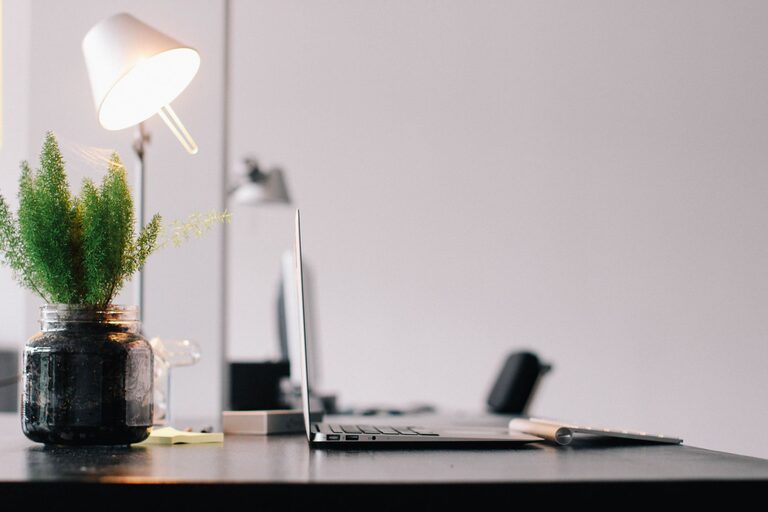
Creating a home office that is both productive and inspiring is essential for anyone working remotely or managing tasks from home. A well-designed workspace can improve focus, reduce stress, and make your work hours more enjoyable. Whether you are setting up a new office or refreshing an existing one, these tips will help you craft an environment where you can thrive.
Choosing the right spot in your home for your office is the first step. Ideally, select a space that is quiet and free from distractions. This might be a spare room, a corner of a living area, or even a section of your bedroom.
– Natural Light: Aim for a location near a window if possible. Natural light enhances mood and reduces eye strain.
– Separation: Try to pick a spot separate from high-traffic areas to minimize interruptions.
– Space: Ensure there’s enough room for your desk, chair, and any equipment you need without feeling cramped.
Comfort plays a big role in productivity. Investing in quality furniture can prevent discomfort and health issues that arise from poor posture.
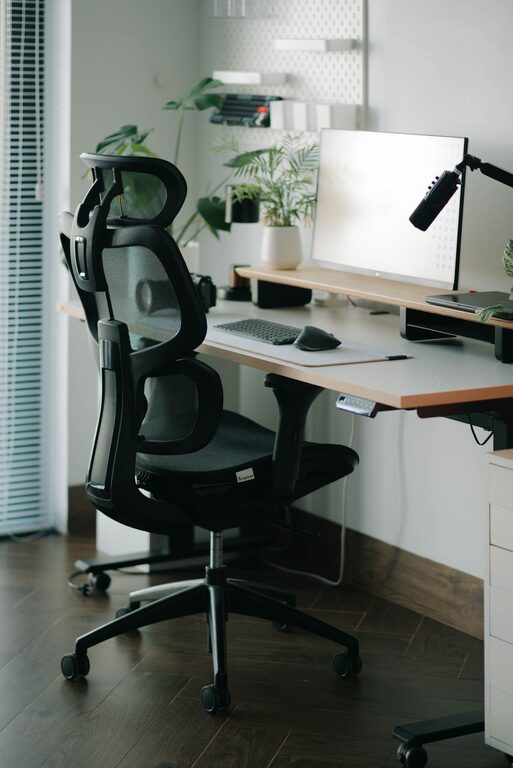
– Ergonomic Chair: Choose a chair that supports your lower back and allows your feet to rest flat on the floor.
– Desk Height: Your desk should allow your arms to rest comfortably at about a 90-degree angle.
– Storage Solutions: Incorporate shelves, drawers, or filing cabinets to keep your workspace organized.
Clutter can distract and slow you down. Keeping your workspace tidy helps maintain focus and makes it easier to find what you need.
– Declutter Daily: Spend a few minutes at the end of each day clearing your desk.
– Use Organizers: Pencil holders, trays, and organizers keep small items sorted.
– Digital Organization: Keep your computer desktop and files organized to avoid digital mess.
Adding personal touches to your office can make it a place you enjoy spending time in.
– Artwork: Hang prints or photos that motivate or bring you joy.
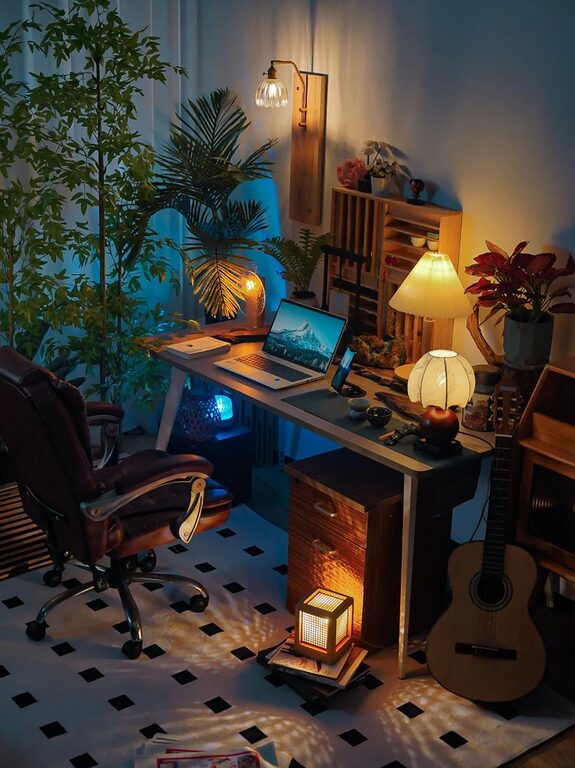
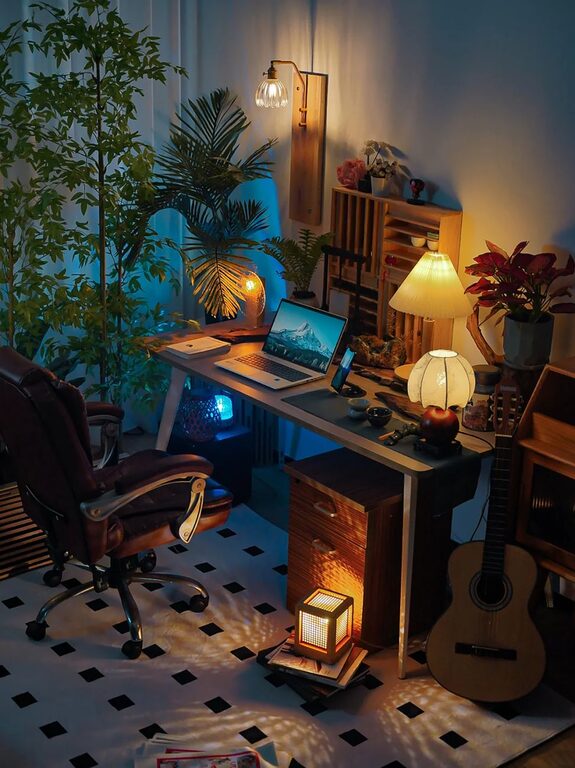
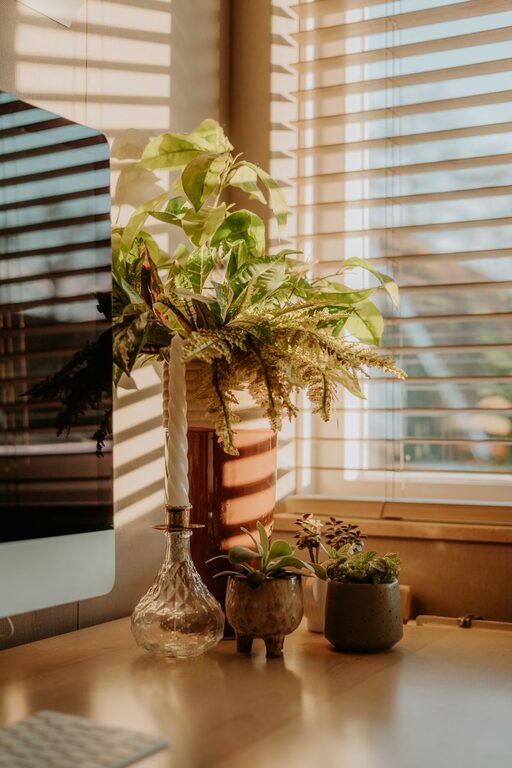
– Plants: Indoor plants add a touch of nature and can improve air quality.
– Color Choices: Use colors that uplift you—blue tones can promote calmness, while yellow can spark creativity.
Technology is essential but can become overwhelming if not managed well.
– Reliable Internet: Make sure you have a fast and stable connection.
– Cable Management: Use cable organizers or clips to keep cords neat and prevent tangling.
– Necessary Devices: Equip your office with only what you use regularly to avoid clutter.
A consistent routine helps your mind transition into work mode and back into personal time.
– Set Working Hours: Define clear start and end times for your workday.
– Breaks: Take regular breaks to stretch and rest your eyes.
– Work-Personal Separation: When the workday ends, try to close your office door or put away work materials.
Good lighting and fresh air contribute to a healthy working environment.
– Layered Lighting: Combine overhead lights with desk lamps for adjustable brightness.
– Air Circulation: Open a window when you can or use a fan or air purifier.
– Temperature Control: Keep your workspace at a comfortable temperature to stay alert.
Small tools can keep your motivation high throughout the day.
– Vision Board: Pin goals or inspiring quotes in a spot you see often.
– Planner or Calendar: Keep track of tasks visually to stay organized.
– Music or White Noise: Some people find that background sounds can help maintain concentration.
Sometimes work needs change, so having a flexible setup can be beneficial.
– Multi-Purpose Furniture: Use items that can serve multiple functions or be moved easily.
– Adjustable Equipment: Consider adjustable chairs, desks, or monitor stands.
– Regular Updates: Refresh your space periodically to keep it feeling new and inviting.
—
Designing a home office that sparks productivity and inspiration doesn’t have to be complicated. By considering your needs, organizing thoughtfully, and adding personal touches, you can create a workspace that supports your best work. Remember, the goal is to build an environment that makes working from home comfortable, efficient, and enjoyable.