 11
11
Creating a comfortable and efficient home office is key to maintaining productivity and focus throughout the workday. Whether you work remotely full-time or just need a dedicated spot for occasional tasks, an organized and clutter-free space can make all the difference. Here are some practical tips to help you design a functional home office that inspires you to work smarter.
Selecting an appropriate spot in your home is the first step. Ideally, pick a quiet area with good natural light to reduce eye strain and boost mood. Avoid high-traffic zones to minimize distractions. If space is limited, consider converting a corner of a room or using a partition to create a sense of separation.
Having the right furniture can help maintain organization and support productivity:
– Desk: Opt for a desk with enough surface area to accommodate your computer, paperwork, and other essentials. A desk with built-in storage, like drawers or shelves, can help keep items tidy.
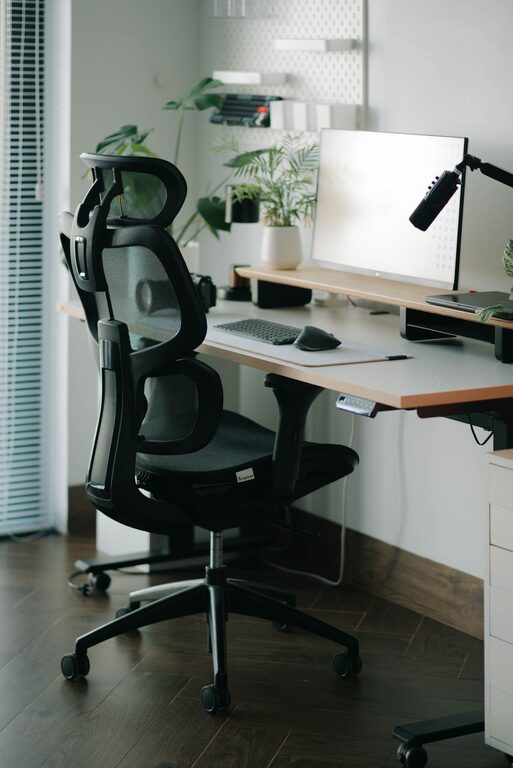
– Chair: Choose an ergonomic chair that supports good posture to prevent discomfort during long work sessions.
– Storage units: Use filing cabinets, bookshelves, or storage cubes to keep documents, books, and supplies organized and within reach.
Clutter can create mental blocks and reduce efficiency. Make decluttering a routine task:
– Clear your desk at the end of each day.
– Sort through paperwork weekly to file, scan, or discard unnecessary documents.
– Use cable organizers to manage cords and keep your workspace tidy.
– Limit decorative items to a few meaningful pieces to avoid overcrowding.
If floor space is tight, think vertical. Wall-mounted shelves and pegboards can hold office supplies, calendars, notes, or tools without taking up desk space. Magnetic boards or corkboards can keep reminders and important papers visible and organized.
There are many tools designed to simplify workspace organization:
– Desk organizers: Compartments for pens, papers, and gadgets help prevent small items from scattering.
– Label makers: Clearly label files, boxes, and shelves to find things quickly.
– Digital tools: Apps for task management and note-taking reduce paper clutter and keep you on track.
Dividing your workspace into defined zones can improve workflow:
– Primary workspace: For your computer, phone, and daily tasks.
– Reference area: For books, binders, and documentation you consult often.
– Supply station: For pens, paper, and other consumables.
– In/Out box: A spot for incoming mail, bills, or documents needing action.
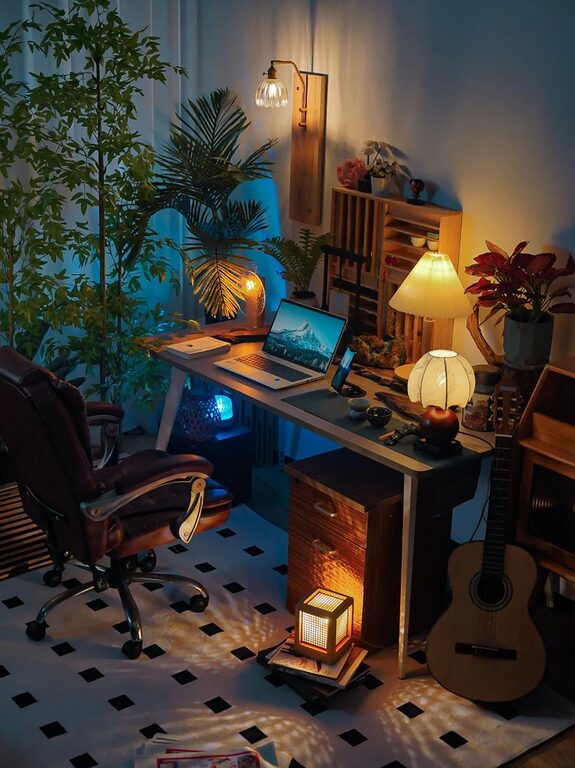
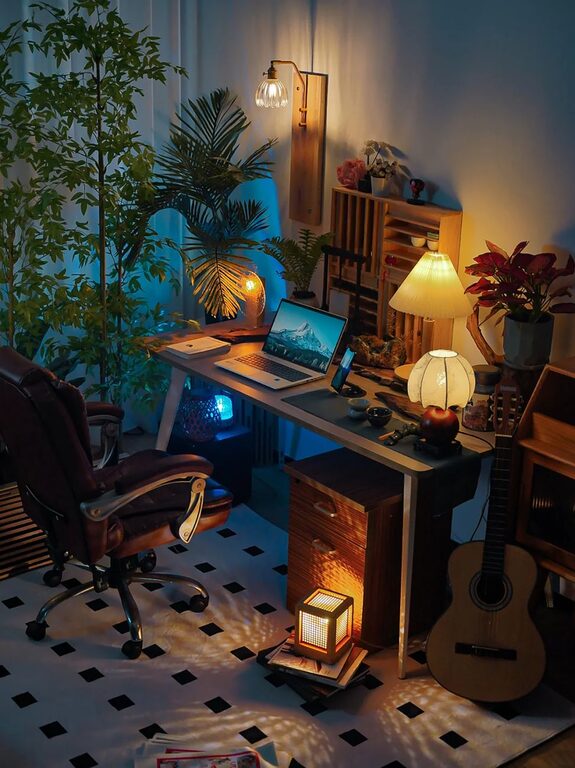
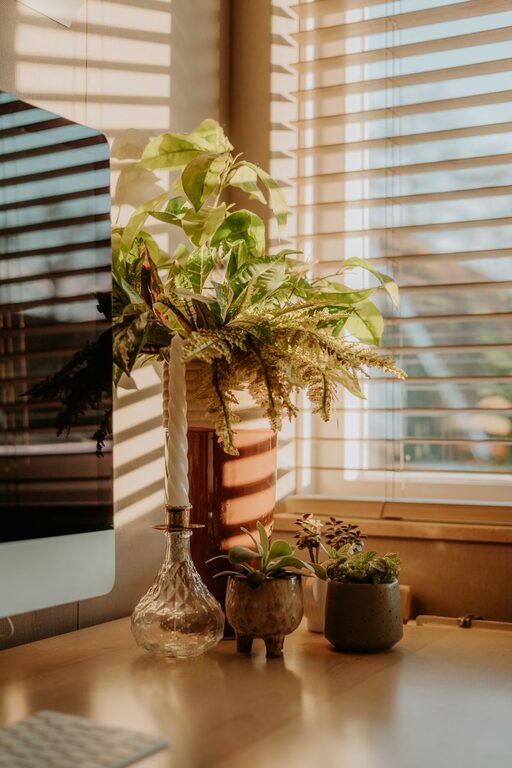
Good lighting reduces eye strain and keeps energy levels high. If natural light is limited, invest in adjustable desk lamps with warm daylight bulbs. Keep the room well-ventilated and add a small plant if possible—plants can improve air quality and create a calming atmosphere.
Adding personal touches can make your office inviting, which helps motivation:
– A favorite photo or artwork.
– A cozy throw or small rug.
– Inspirational quotes or vision boards.
However, balance is key to prevent distractions. Aim for a clean, minimal aesthetic.
Keeping your workspace tidy and functional requires consistent habits:
– Start your day by reviewing your to-do list.
– Take short breaks to stretch and tidy small areas.
– End your day by organizing your desk and preparing for tomorrow’s tasks.
Tech can both help and hinder productivity:
– Use wireless devices when possible to reduce cable clutter.
– Organize charging stations in one spot.
– Regularly back up important files and clean your digital desktop to avoid data overload.
A clutter-free and well-organized home office promotes focus, creativity, and efficiency. By choosing the right location, investing in functional furniture, decluttering regularly, and using smart organization strategies, you can create a workspace that supports your professional goals. Remember, your environment impacts your mindset, so take time to maintain a space where you enjoy spending time and getting work done.
Start today with small changes and watch your home office transform into a productive haven!