 11
11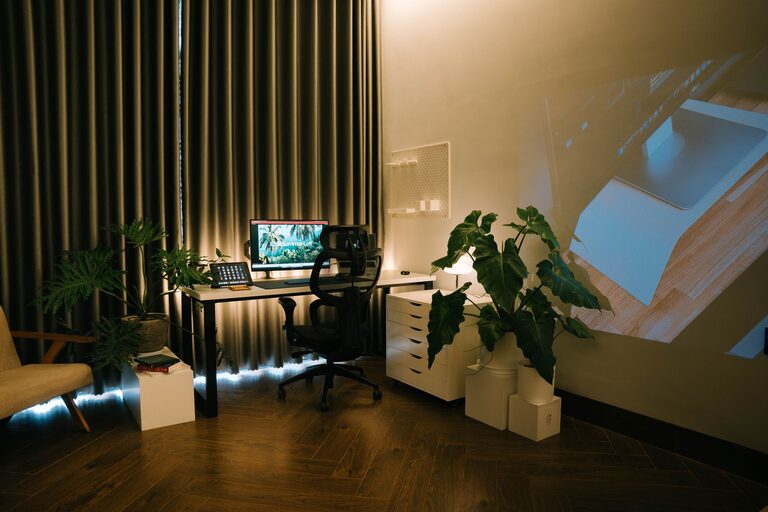
Creating a comfortable and relaxing home office is essential for maintaining focus, reducing stress, and enhancing productivity. Whether you’re working remotely full-time or occasionally checking in after hours, your workspace should help you feel calm and motivated. In this post, we’ll explore practical tips to design and organize a home office environment that promotes relaxation and supports your daily tasks.
A well-organized, peaceful workspace can have a positive impact on your work habits and overall well-being. When your office feels inviting and clutter-free, it’s easier to concentrate and tackle tasks without feeling overwhelmed. Plus, a relaxing environment helps to separate work time from personal time, which is especially important when working at home.
—
Select a place with minimal distractions, away from noisy areas like the kitchen or living room if possible. A quiet corner or a spare room works best to help you focus.
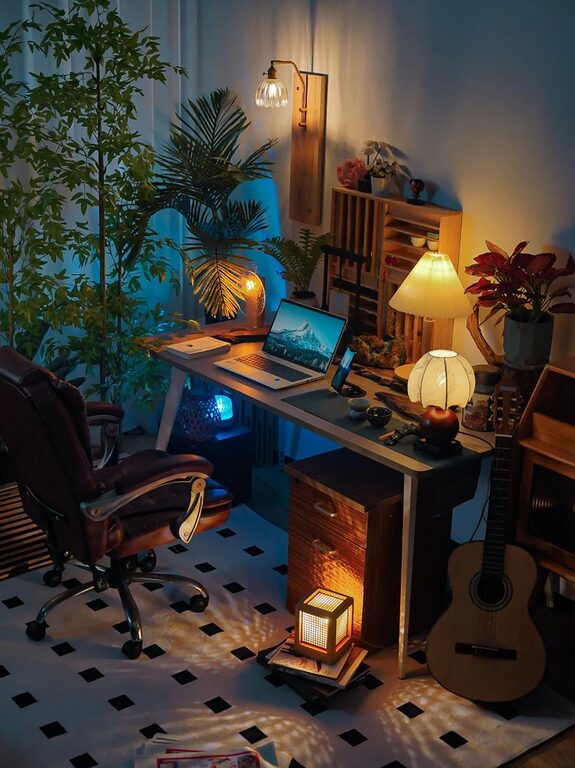
Natural sunlight can boost your mood and energy levels. Position your desk near a window to allow for plenty of daylight. If natural light is limited, use soft, warm lighting instead of harsh fluorescents.
—
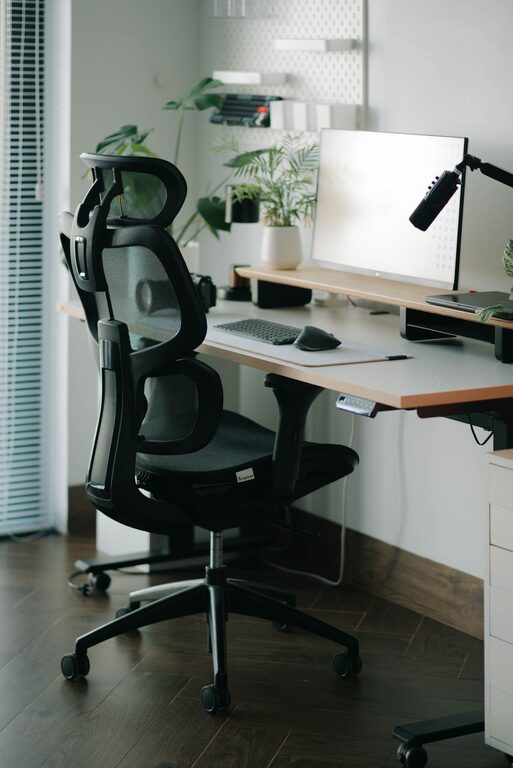
Comfort is key for long work hours. Choose a supportive chair that encourages good posture to reduce back and neck strain.
Pick a desk that suits your needs — enough space for your computer, notebooks, and other essentials. Adjustable desks that let you alternate between sitting and standing can be a great option.
—
Keep your desk clean by only having essential items within arm’s reach. Use containers, shelves, or drawers to store supplies and paperwork neatly.
Tidy cords and chargers with clips or under-desk organizers to avoid a messy look that might distract you.
—
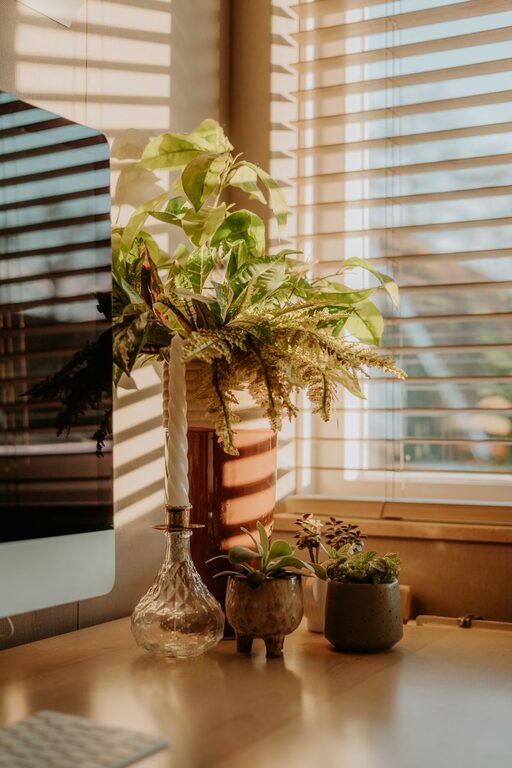
Plants not only add life to your workspace but can also improve air quality and reduce stress. Easy-care plants like succulents or pothos are perfect for busy schedules.
Soft blues, greens, or neutral shades can create a tranquil atmosphere. Avoid overly bright or intense colors that may cause distractions.
Include photos, artwork, or items that inspire and motivate without overcrowding your space.
—
If your environment is noisy, headphones can help you focus by blocking out distractions or playing calming music.
Instrumental or nature sounds can create a peaceful ambiance that enhances concentration.
—
Arrange your materials and tools based on how frequently you use them to streamline tasks.
Keep track of your tasks visually to reduce mental clutter and stay on top of deadlines.
—
If space allows, set up a small area nearby to stretch or take quick breaks. Short physical activity helps reduce tension and refresh your mind.
—
A well-ventilated room with fresh air contributes to comfort and alertness. Use fans or air purifiers if needed, and keep the temperature at a comfortable level.
—
Turn off or mute unnecessary notifications and apps during focused work periods. Consider using screen time management tools to stay on track.
—
Maintaining clear work hours helps you mentally switch between professional and personal time. Communicate these boundaries with family or housemates to avoid interruptions.
—
Creating a relaxing home office is about more than just aesthetics — it’s about designing a space tailored to your needs and preferences. By incorporating these tips, you can build a calm, organized environment that nurtures productivity and well-being. Start small, and adjust your space over time as you discover what works best for you. A comfortable home office leads to better focus, improved mood, and a more enjoyable work-from-home experience.