 11
11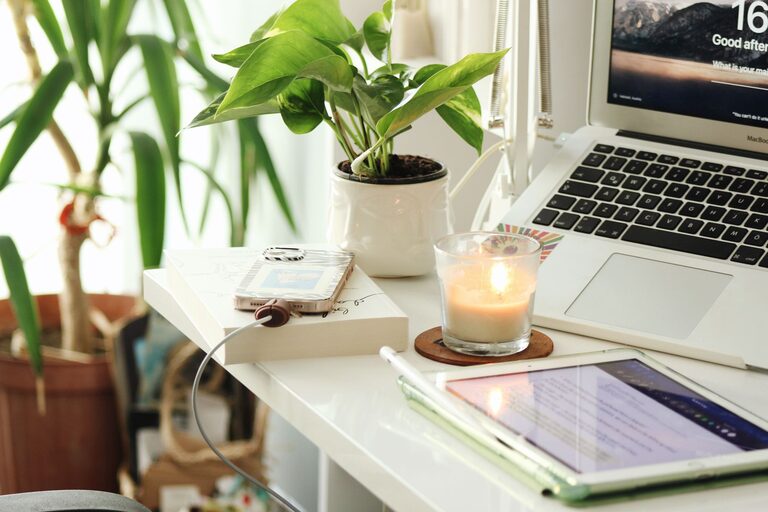
Creating a home workspace that is both inviting and productive can transform your daily routine, improve your focus, and enhance your overall work experience. Whether you’re working remotely full-time, managing side projects, or simply need a dedicated spot for your tasks, the right environment plays a crucial role.
This guide will walk you through effective tips to design a home workspace that helps you stay motivated, organized, and comfortable.
Selecting the right location in your home is the first step. Opt for a space away from high-traffic or noisy areas. This could be a spare room, a corner in your bedroom, or even a nook near a window. If noise is unavoidable, consider using noise-cancelling headphones or a white noise machine to minimize distractions.
Natural light can boost mood and reduce eye strain. Try to position your desk near a window if possible. If natural light is limited, invest in good quality, adjustable lighting that mimics daylight to keep the area bright and comfortable.
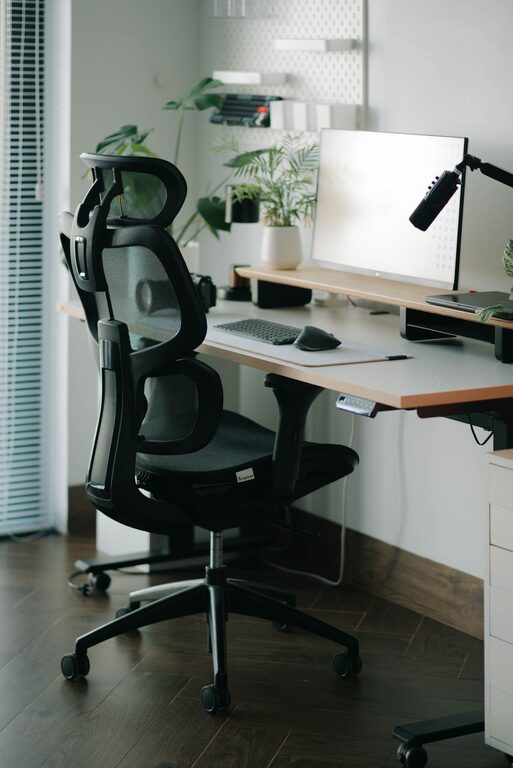
Comfort is crucial for long hours of work. An ergonomic chair that supports your back and encourages good posture can prevent pain and fatigue. Pair it with a desk at the right height to avoid strain on your wrists and shoulders.
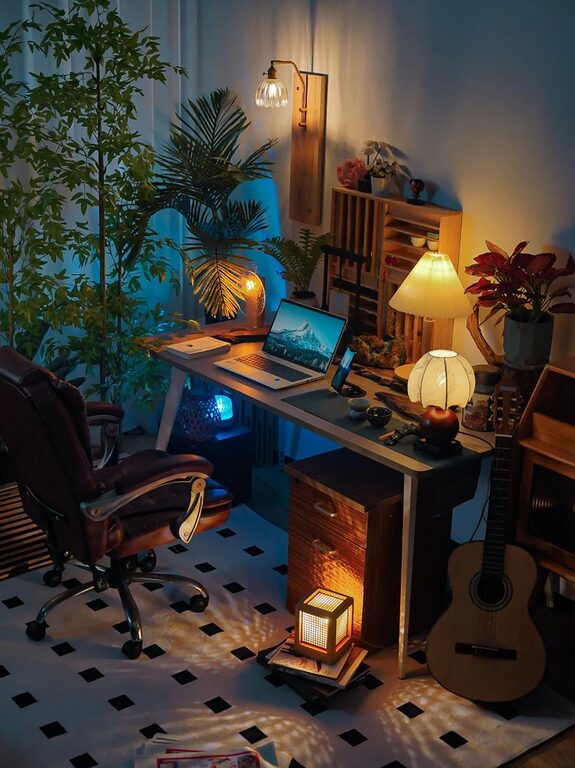
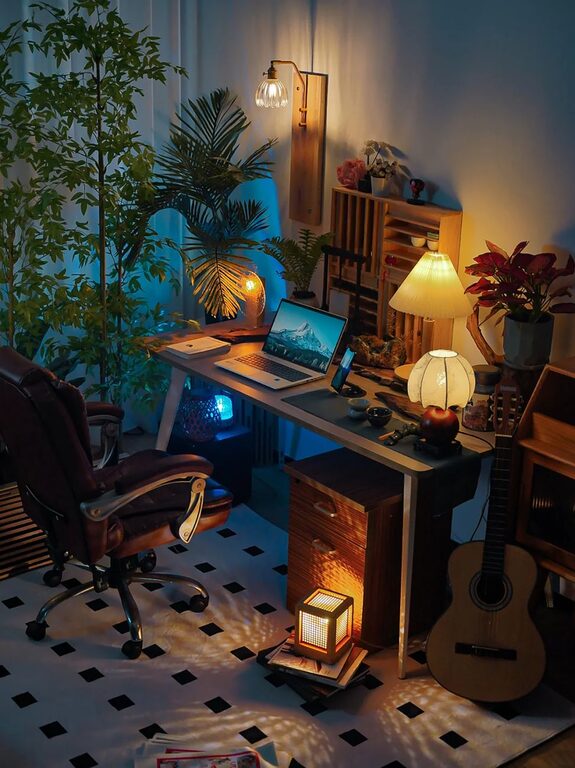
Make your workspace inviting by adding personal touches, like plants, artwork, or photos. These items can make the area feel welcoming without causing clutter or distractions.
A cluttered workspace can interfere with your ability to focus. Keep only essential items on your desk. Use drawers, shelves, or storage boxes to organize supplies and paperwork.
Consider tools like desk organizers, filing cabinets, or digital apps for task management. Labeling storage containers and setting up a filing system will help you find things quickly and maintain order.
Designate your workspace as a professional zone. Avoid working from bed or the couch to maintain a healthy physical and mental boundary between work and relaxation.
Start and end your workday at consistent times. Plan breaks and stick to them. A routine helps signal to your brain when it’s time to focus and when to rest.
Turn off non-essential notifications and keep personal devices away during focused work sessions. Apps that block distracting websites can be helpful.
If you share your home with family or roommates, explain your work schedule and ask for support in maintaining a quiet environment during key hours.
If your work involves multitasking or requires multiple windows simultaneously, a second monitor can increase efficiency and reduce eye strain.
Have essential supplies like pens, notebooks, chargers, and other tools nearby to avoid frequent interruptions.
Plants can improve air quality and create a fresh, calming atmosphere, which positively impacts mood and productivity.
Set aside time each week to tidy up and clean your space. A clean desk can improve concentration and reduce stress.
Periodically assess your workspace setup. Comfortable chairs wear out, technology updates, and your workflow may change. Adjust accordingly to stay efficient and comfortable.
—
Creating a home workspace that meets your needs is an investment in your well-being and productivity. By thoughtfully selecting your location, organizing your essentials, and practicing good work habits, you can enjoy a space that feels both inviting and conducive to success. Remember, your workspace should evolve with you — don’t hesitate to make changes as needed to keep it inspiring and practical.